

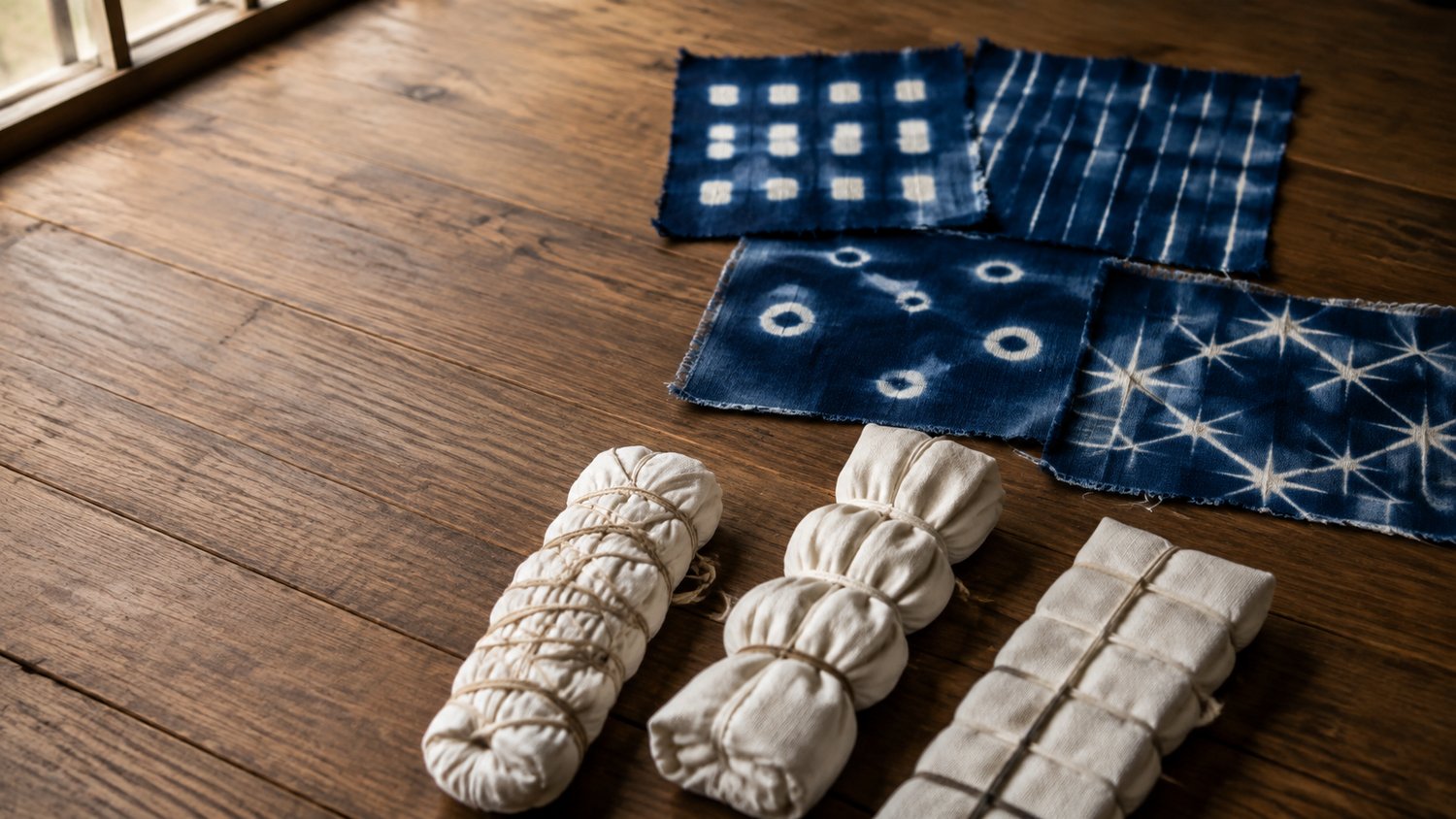
Two pieces of cotton can be folded in exactly the same way, placed in the same indigo vat and dipped for the same amount of time—but still produce very different patterns. Why? Because the way you bind the fabric controls where the indigo can enter....
Read More
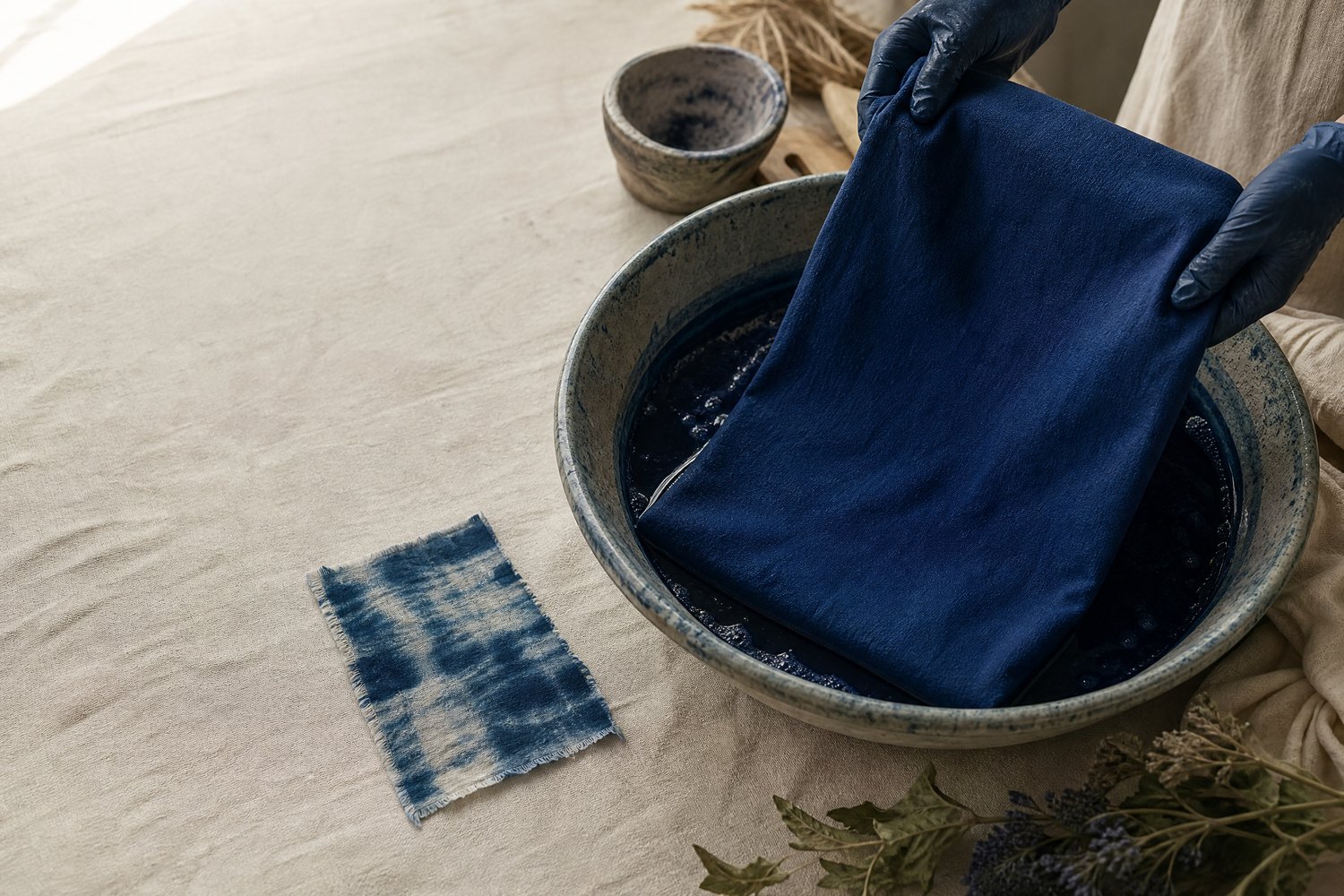
You lift your fabric from the indigo vat and wait for the greenish colour to turn blue. Then you notice it: some areas look rich and even, while others are pale, streaky or blotchy. Uneven indigo dyeing is usually a preparation, movement or contact ...
Read More
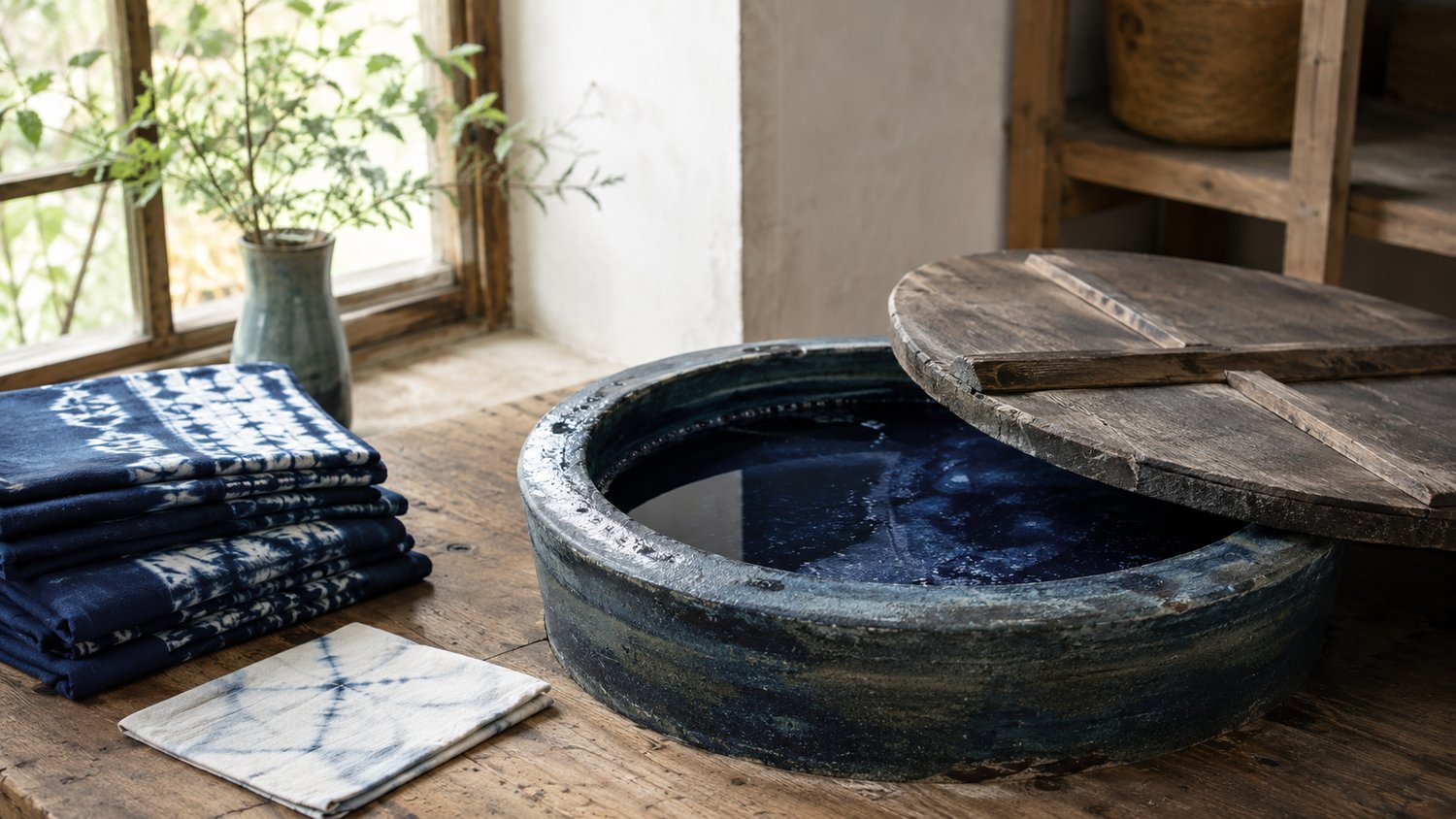
After completing an indigo dyeing project, you may look at the remaining blue liquid and wonder: Do I need to throw it away, or can I use it again? In many cases, an indigo dye vat can be reused. Unlike a simple one-use color bath, an indigo vat may...
Read More
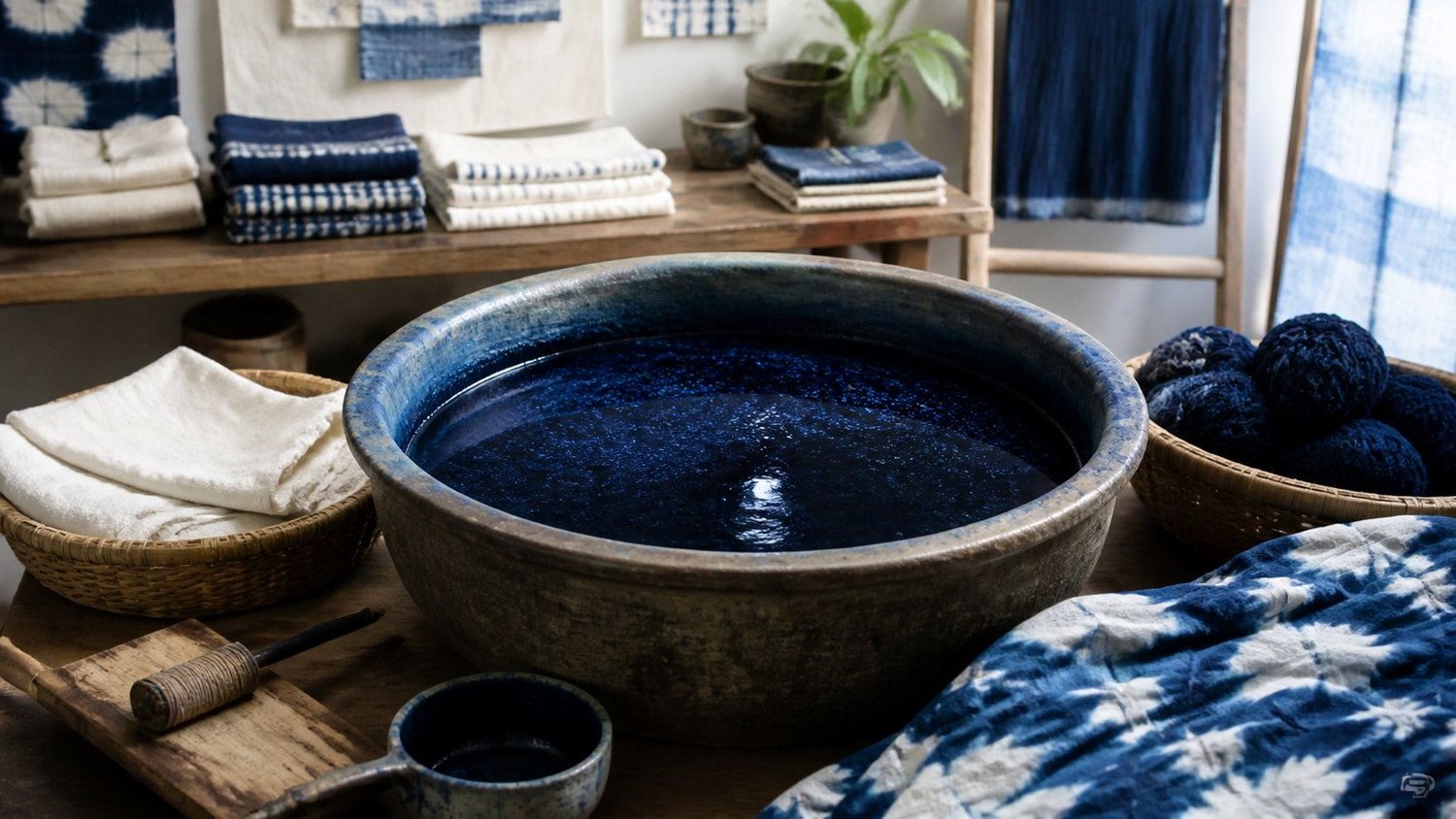
An indigo vat is not a bucket of ordinary blue dye. It is a living dye environment that changes with temperature, air, time, and use. When the vat is healthy, cotton enters a yellow-green liquid, absorbs soluble indigo, and turns blue as it meets th...
Read More
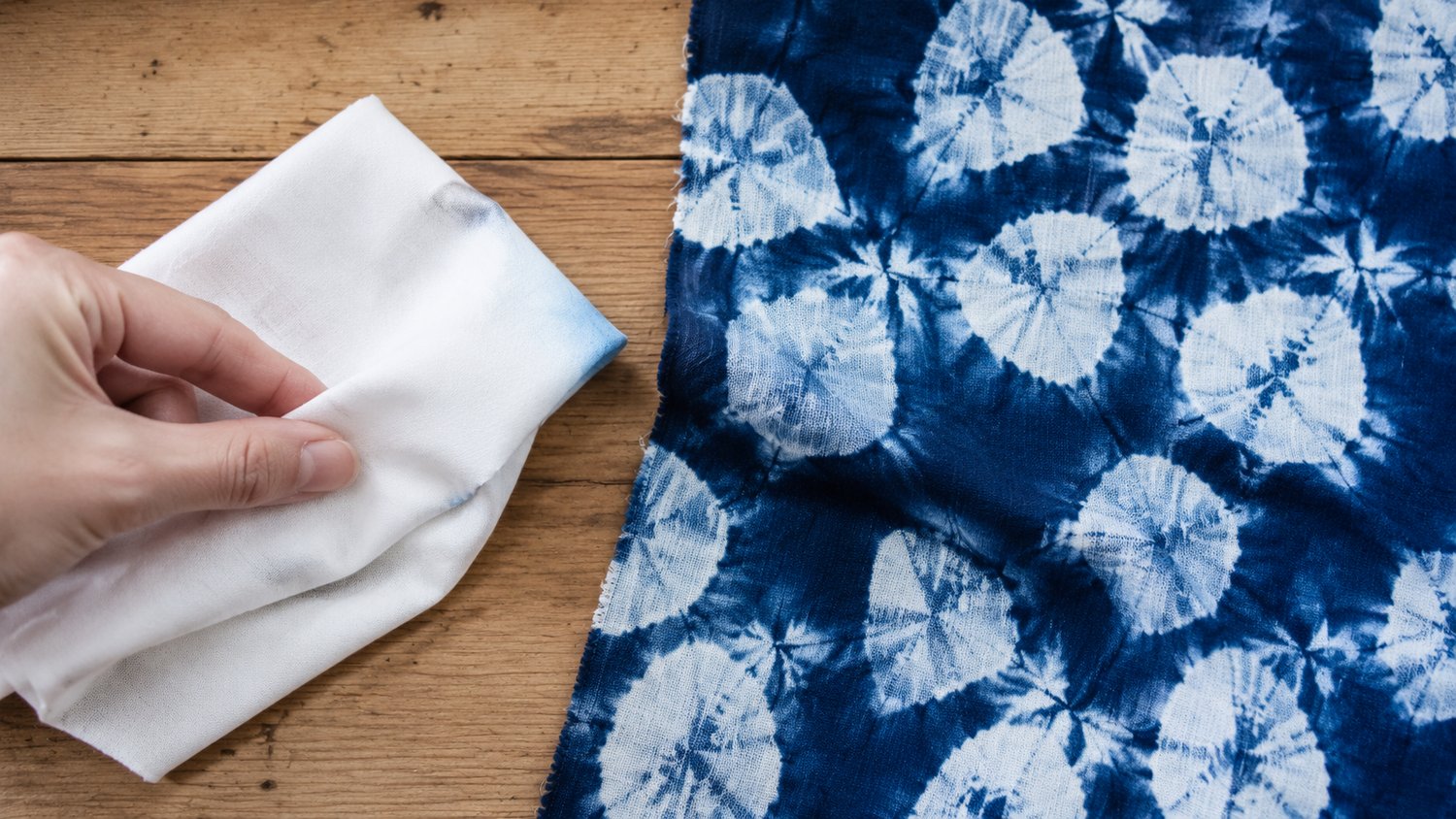
Why Is Indigo Dye Rubbing Off? 7 Ways to Prevent Crocking and Color Bleeding You finish dyeing a beautiful piece of fabric, rinse it, let it dry, and admire the deep blue color. Later, you touch the fabric and notice blue pigment on your hands. It m...
Read More
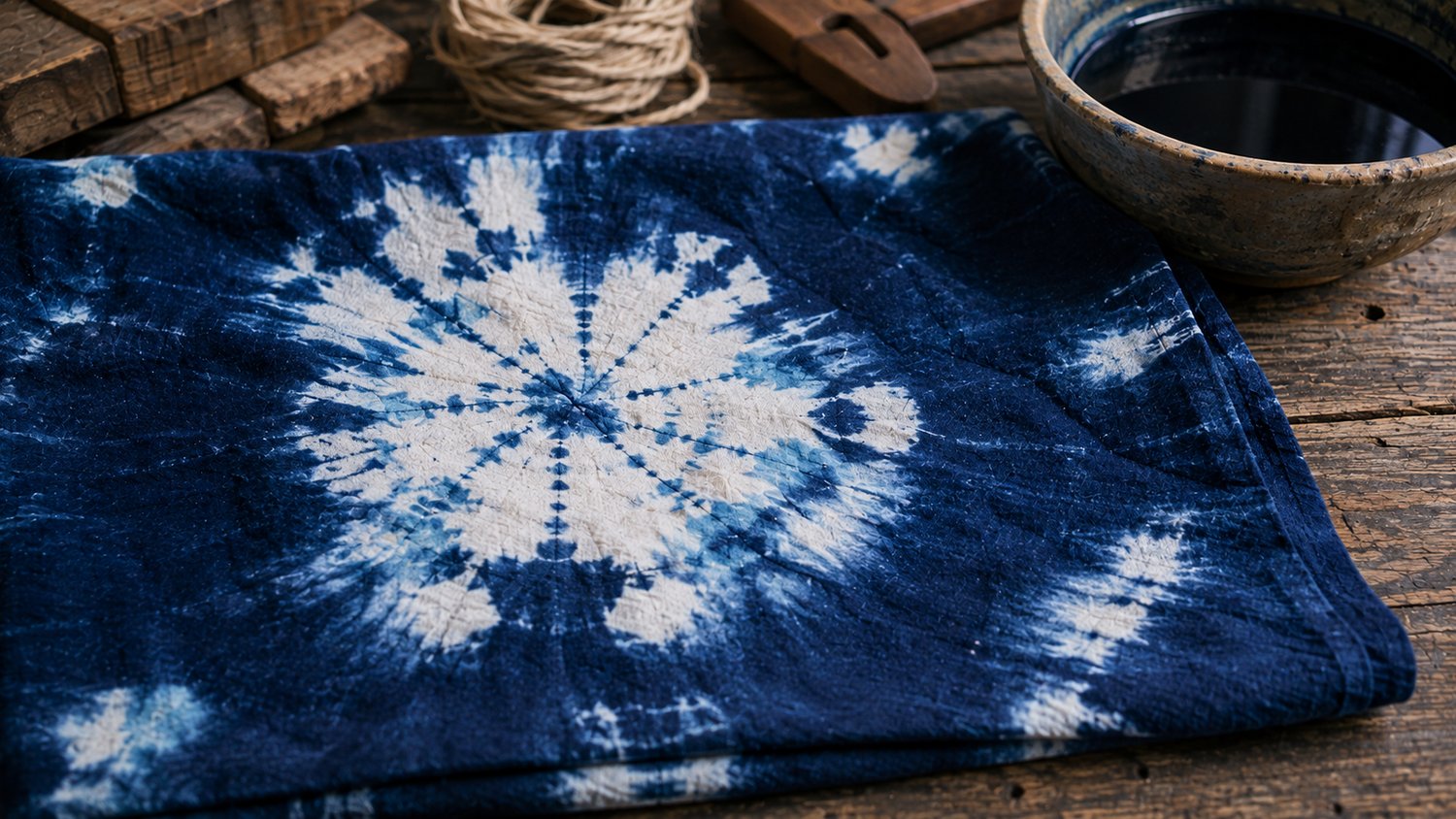
You carefully fold your cotton, tie it tightly and place it into the indigo vat. When you finally open the textile, you expect strong white areas surrounded by deep indigo blue. Instead, some of the areas you expected to remain white are pale blue—...
Read More
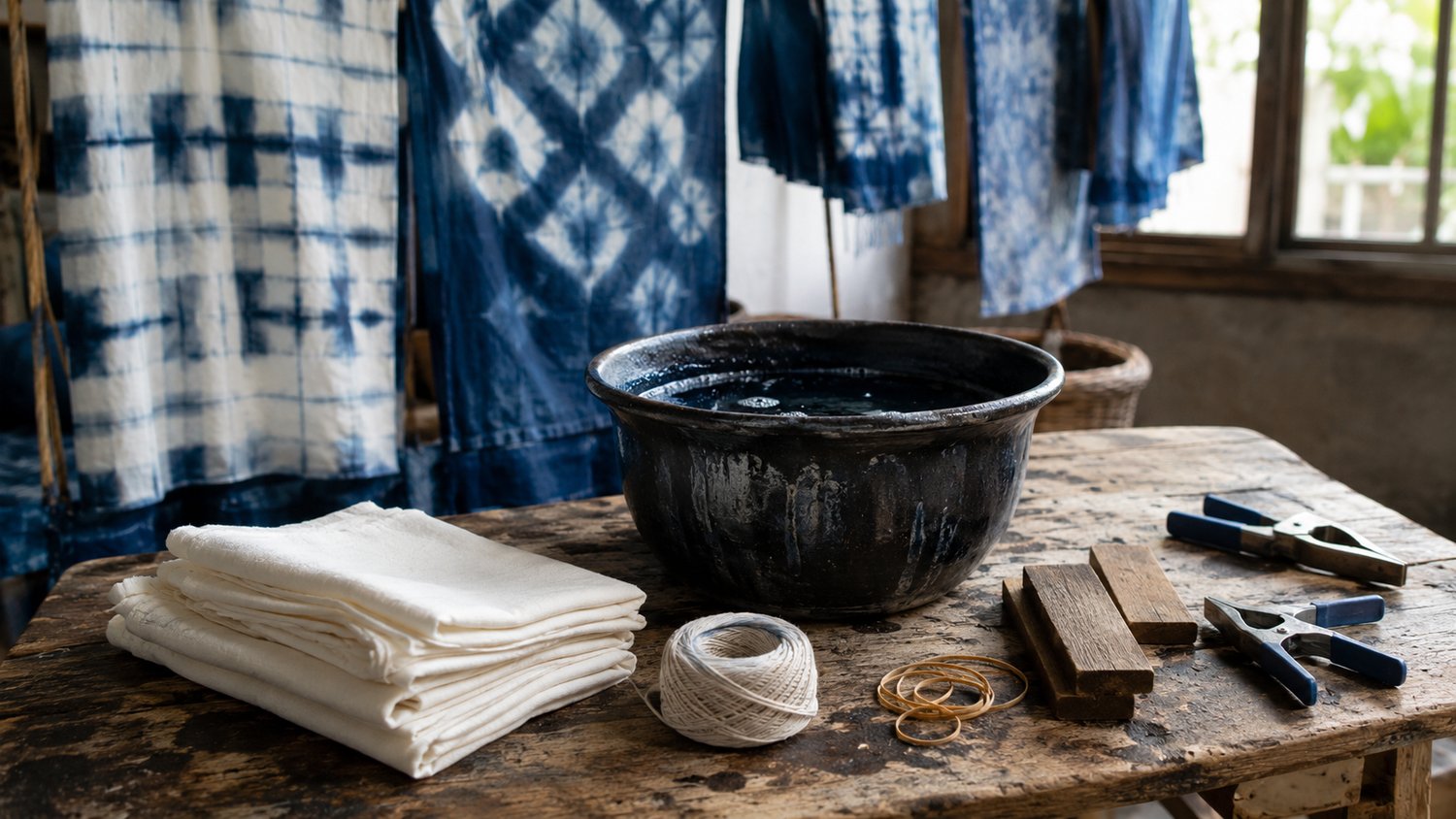
To start indigo dyeing at home, prepare prewashed cotton, an indigo dye kit or the ingredients required by your chosen vat recipe, a suitable dye container, protective gloves, simple ties or clamps, clean rinsing water, and space for oxidation and d...
Read More
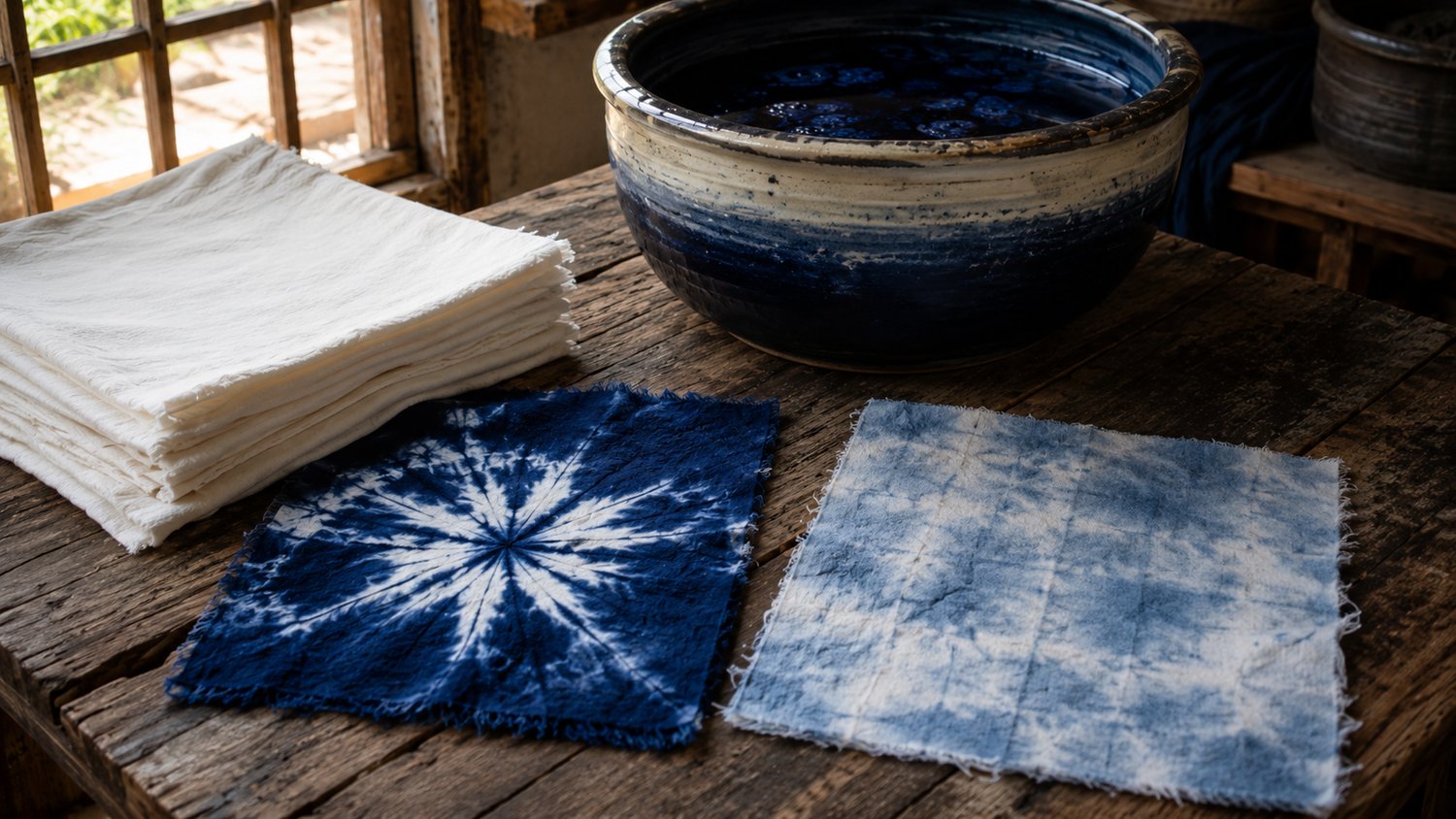
Indigo dyeing looks simple: fold the fabric, place it into the dye vat, let it oxidize, rinse it, and reveal the pattern. But when you try indigo dyeing for the first time, small details can make a surprisingly big difference. Your pattern may look ...
Read More
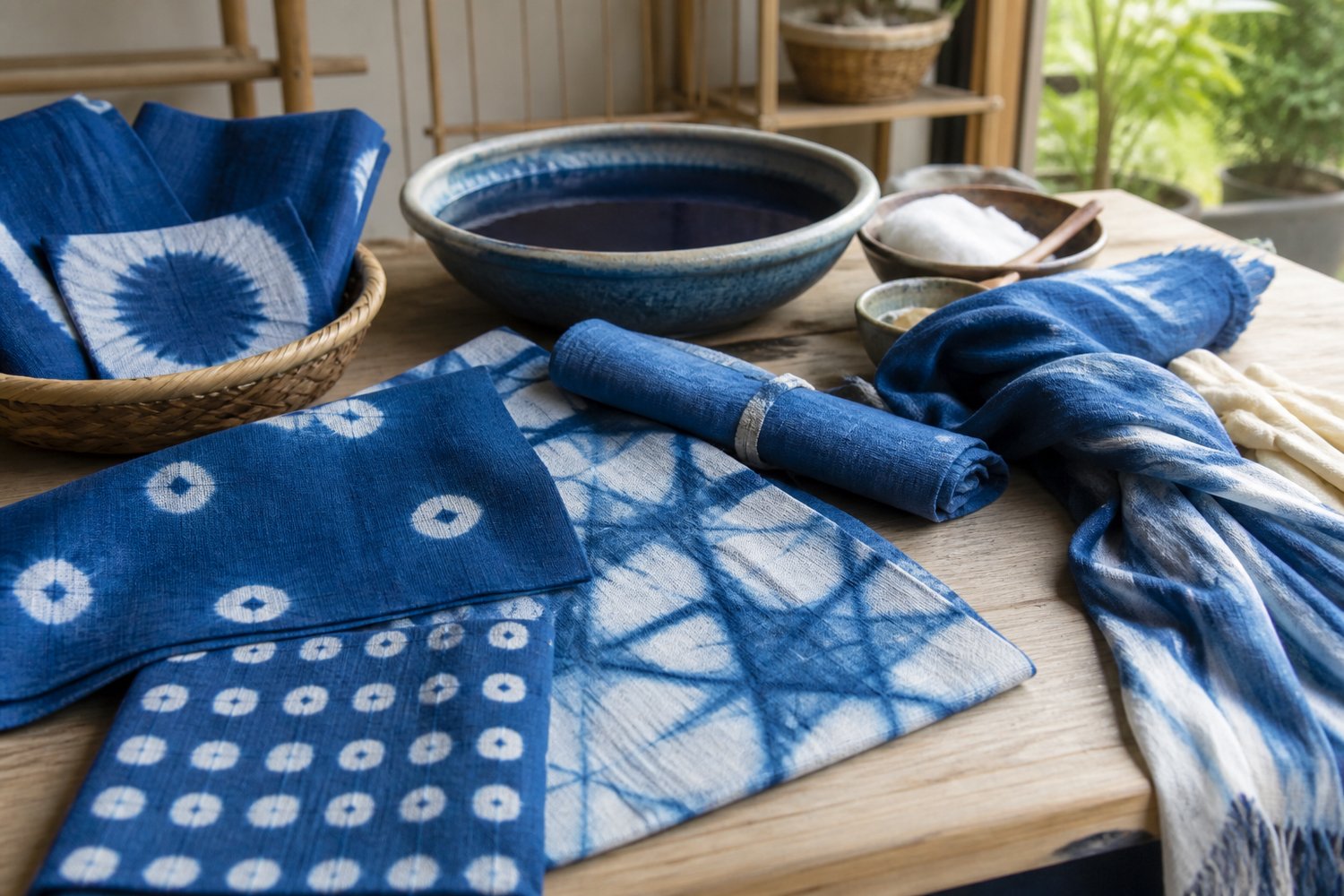
Why Indigo Fabric Needs Gentle Care Natural indigo does not behave like a flat synthetic color. Some pigment remains close to the fiber’s surface, so a little blue transfer during the first washes or after heavy rubbing can be normal. Gentle care he...
Read More
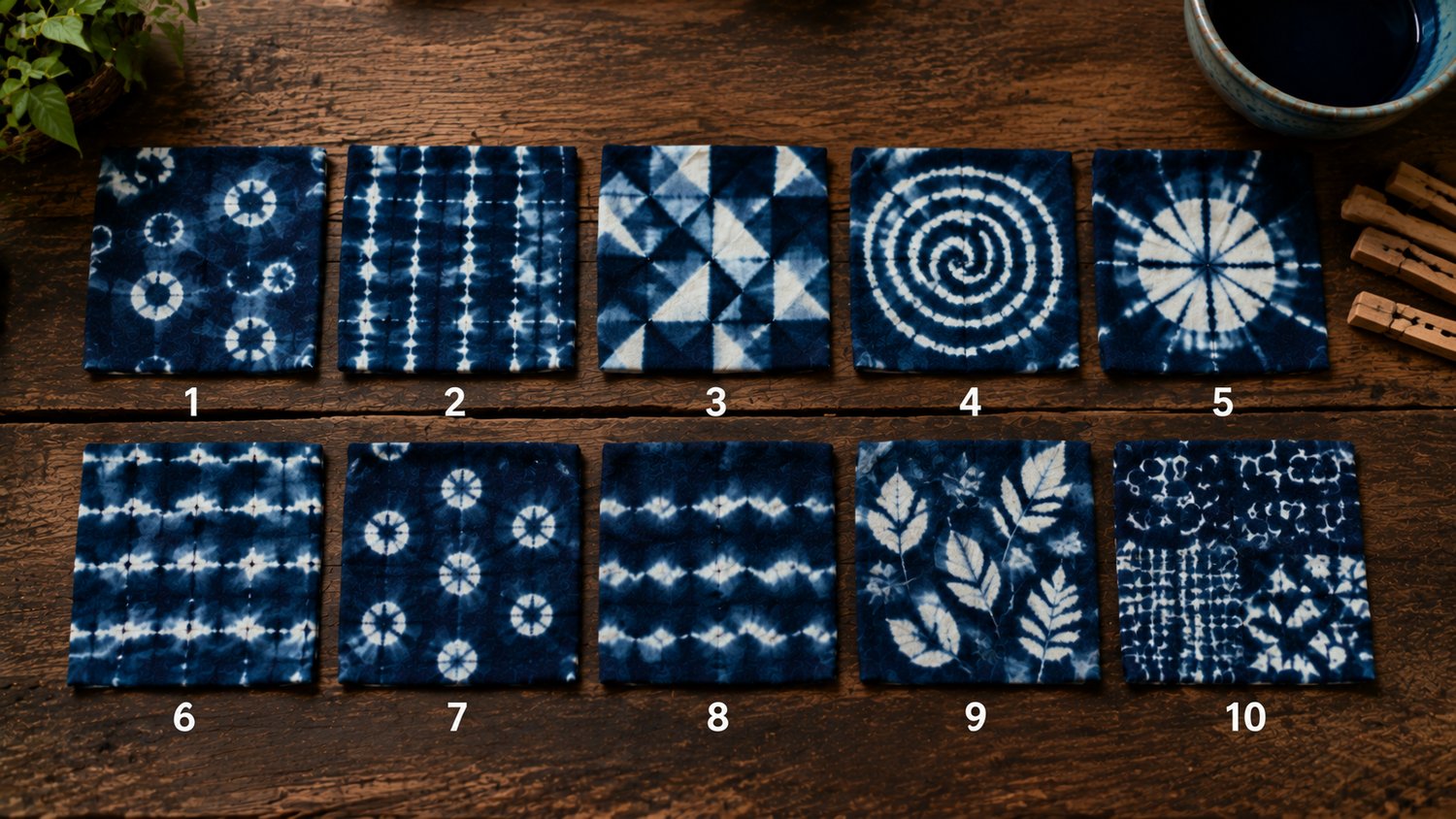
Indigo dyeing is a beautiful craft where simple folding, binding, and resist techniques can transform plain fabric into unique handmade artwork. One of the most exciting parts of traditional indigo dyeing is that every pattern is different. Small ch...
Read More
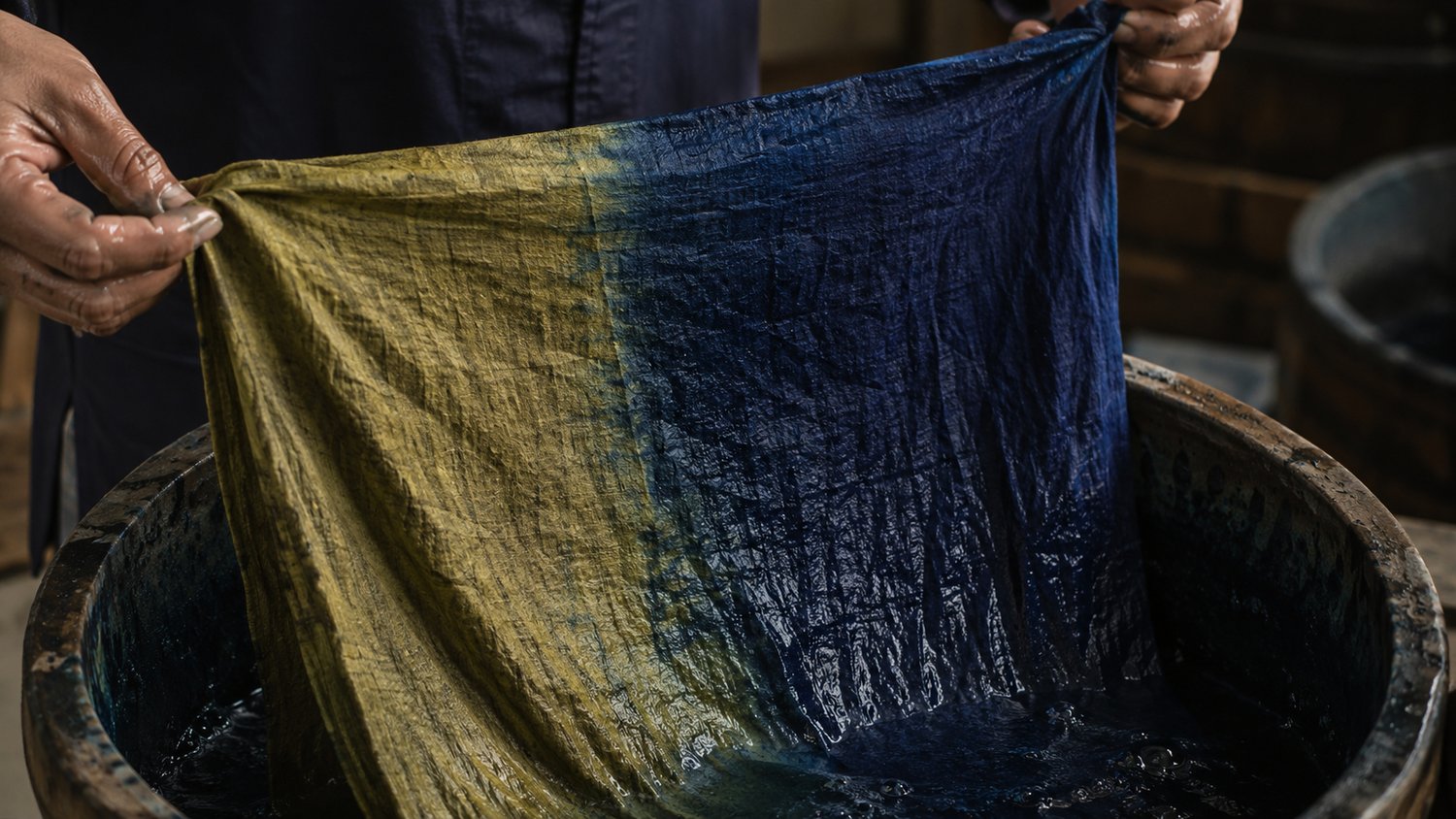
Why Does Indigo Turn Green Before Blue? Watching fabric change color is one of the most fascinating parts of indigo dyeing. When a piece of fabric is lifted out of an indigo vat, it may not look blue immediately. Instead, it can appear yellow-green,...
Read More
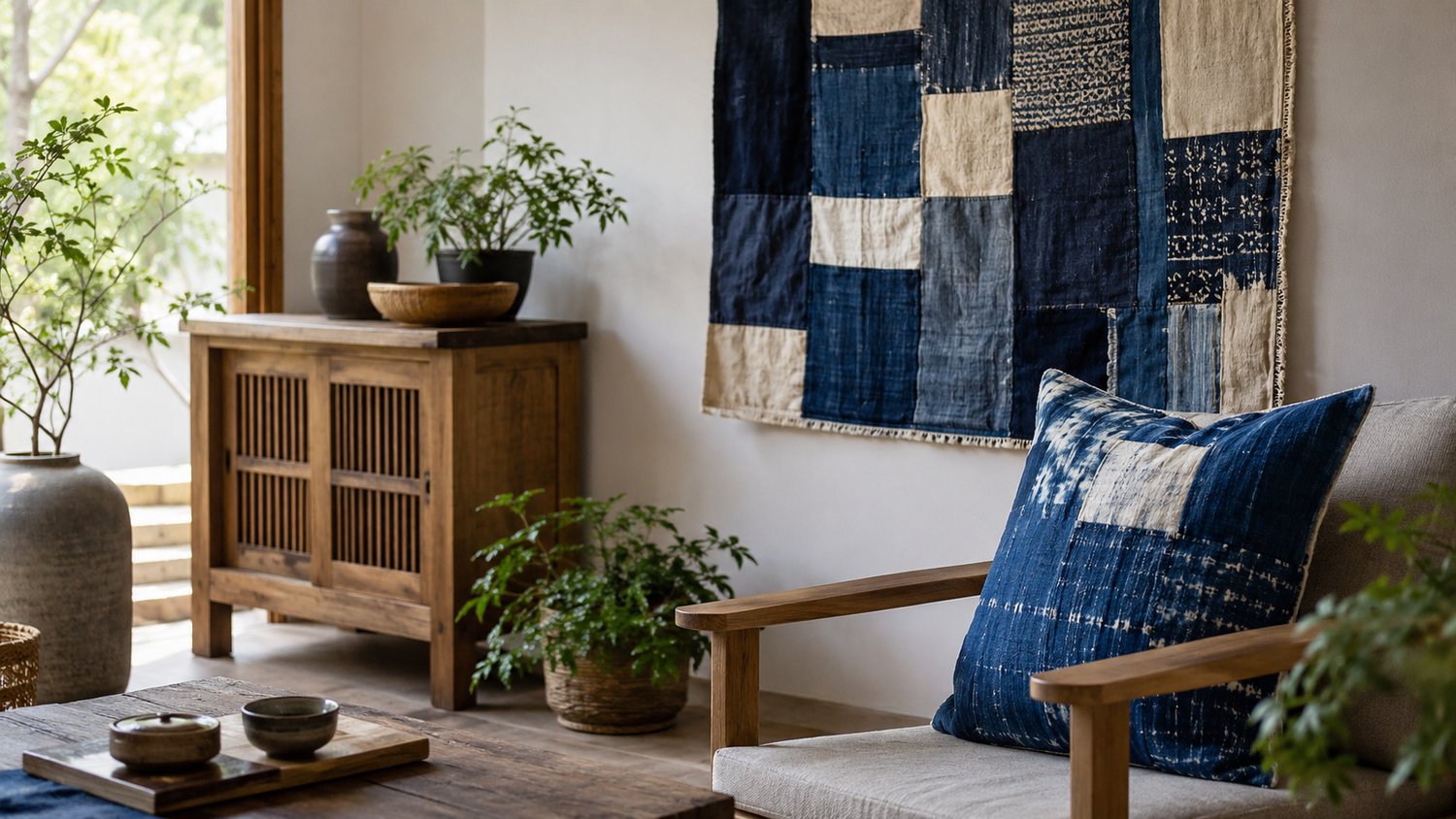
Have you ever opened your closet and found clothes you no longer wear? A faded cotton shirt. An old linen scarf. A piece of fabric that feels too meaningful to throw away. Instead of replacing them, natural indigo dye offers a beautiful way to give ...
Read More
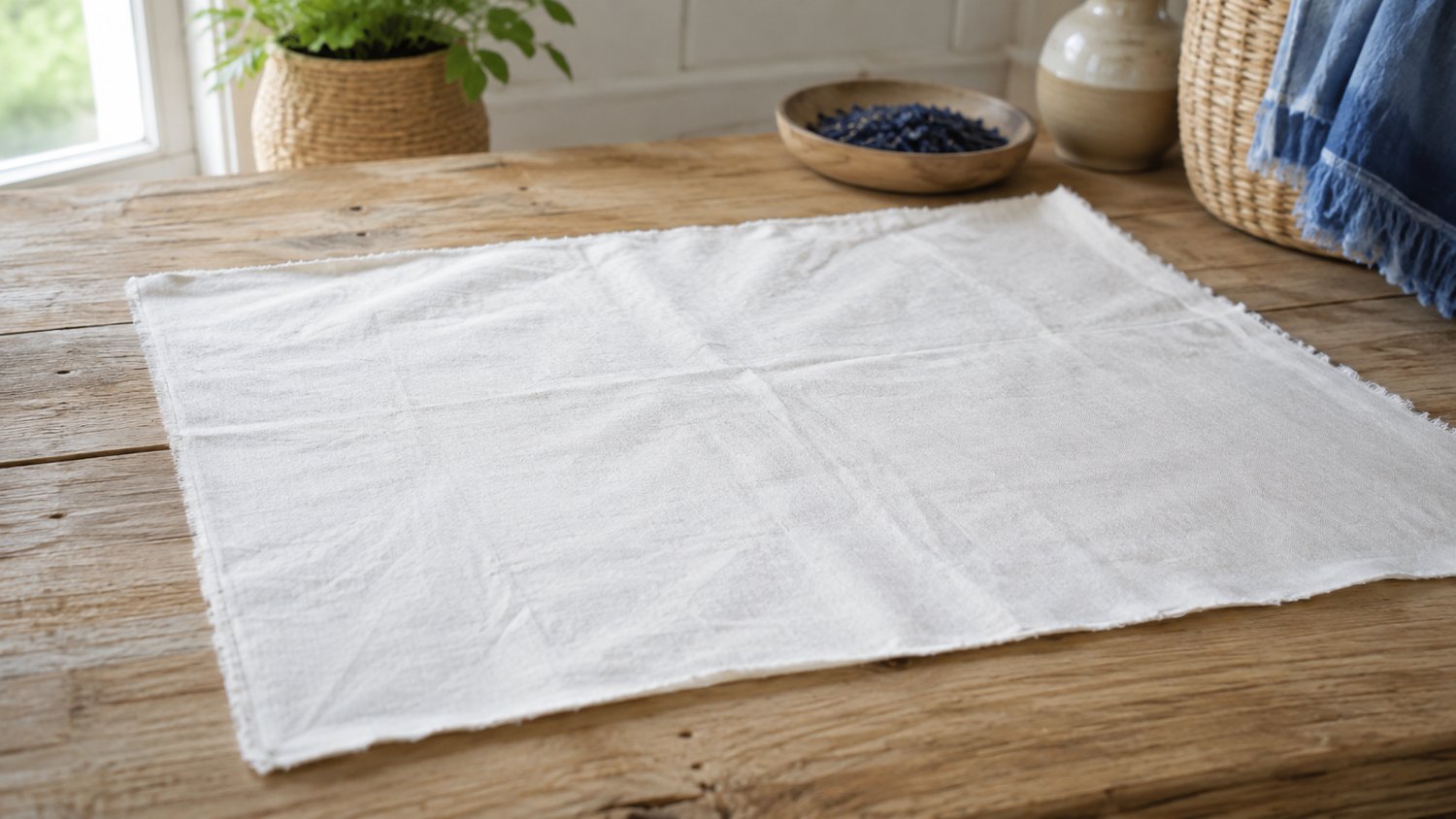
A beautiful indigo textile does not begin inside the dye vat. Before the first dip of fabric into the deep blue indigo solution, there is an important step that many beginners overlook — fabric preparation. The way you clean and prepare your fabric ...
Read More
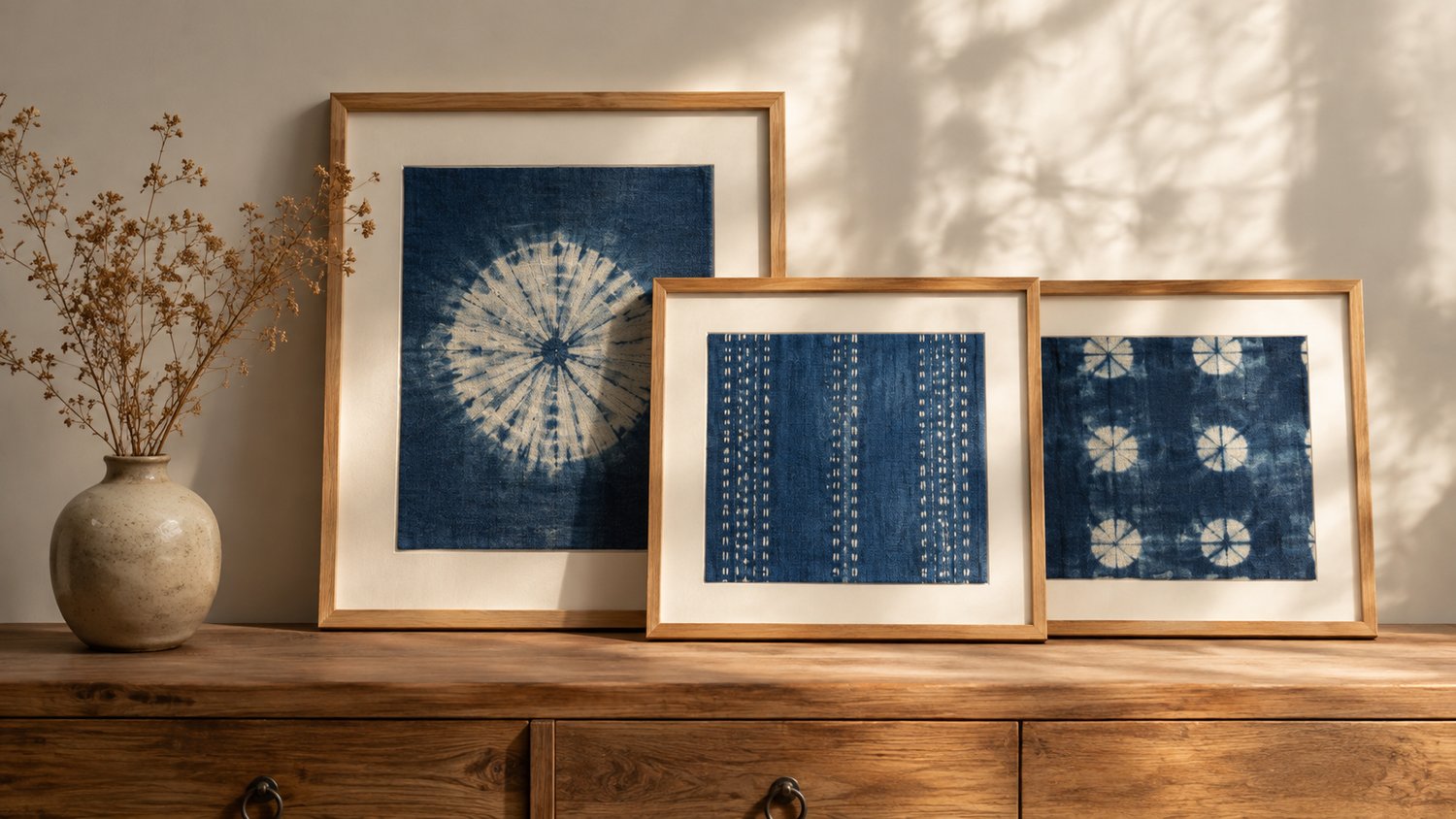
Discover 15 beautiful indigo home decor ideas made with traditional Chinese indigo dye. Learn how handmade blue and white textiles can transform your home with timeless craft and natural beauty. Introduction There is something timeless about the col...
Read More
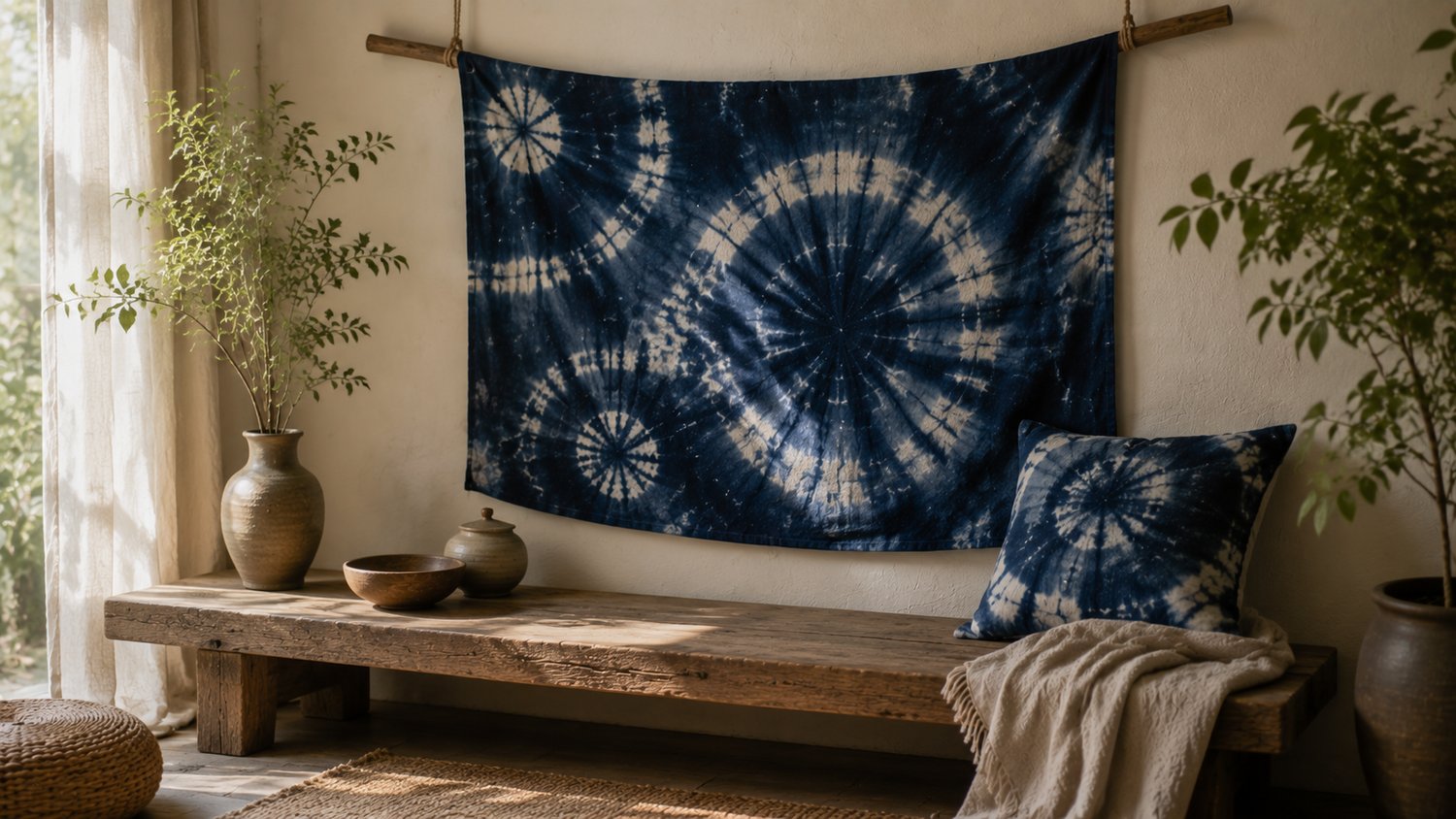
Discover what you can make with indigo dye through 15 beginner-friendly projects for your home, wardrobe, and handmade gifts. Explore practical blue-and-white textile ideas using traditional Chinese indigo dyeing. Introduction A simple piece of whi...
Read More