

A plain cotton bag, a small piece of fabric and a Christmas stencil can become a gift someone keeps long after the holidays. If you are looking for Christmas craft night ideas for adults, try making blue-and-white fabric gifts with indigo. Christmas...
Read More

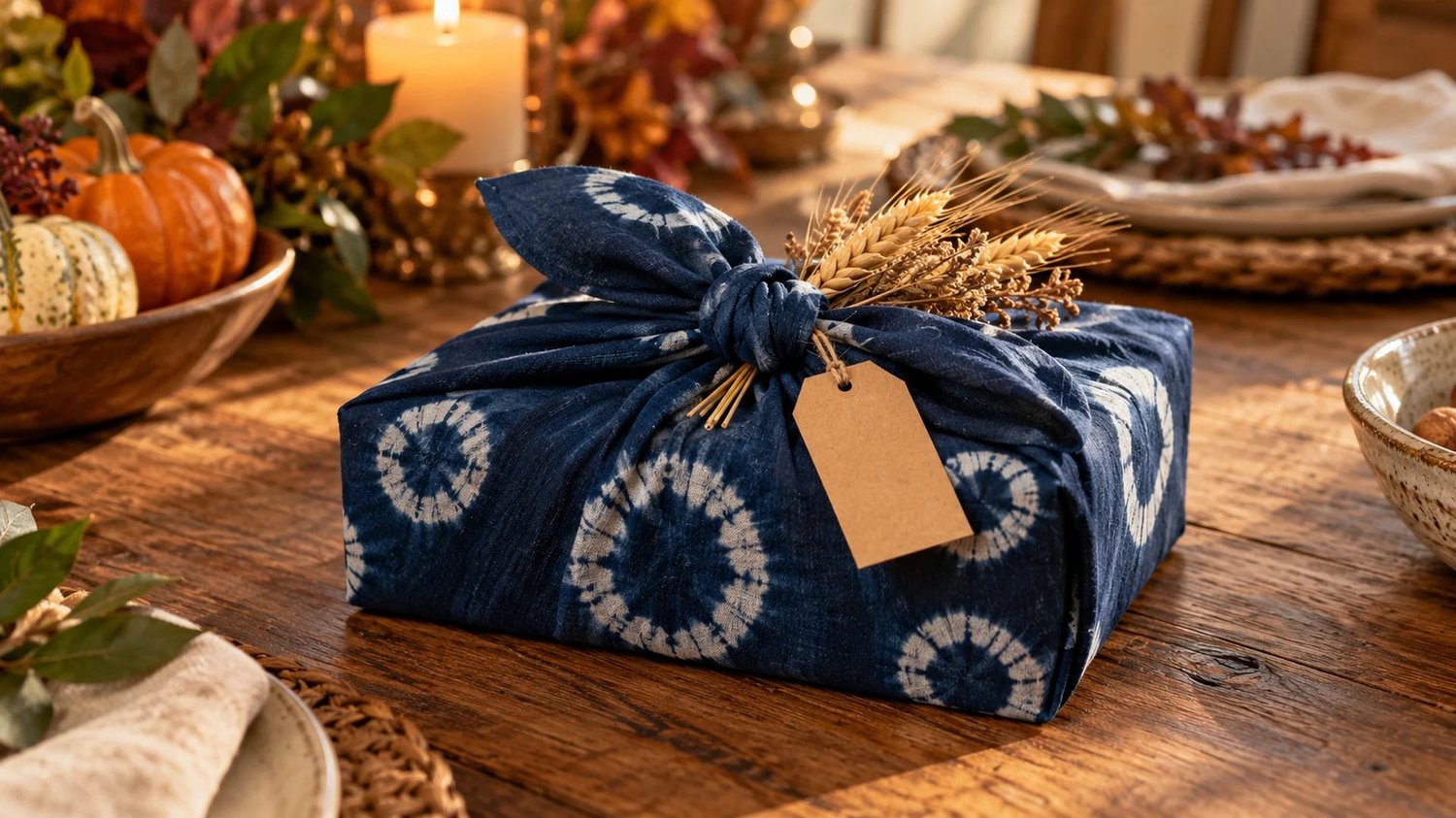
A small Thanksgiving host gift can feel more thoughtful when its wrapping is reusable. Deep indigo cotton turns a candle box, notebook, or craft gift into a tactile package, and the cloth itself can become part of the present. This tutorial covers t...
Read More

Thanksgiving decorating does not have to mean covering the table with bright orange pumpkins and disposable seasonal accessories. A warm wooden surface, cream ceramics, natural linen, a few autumn branches, and handmade indigo napkins can create a q...
Read More
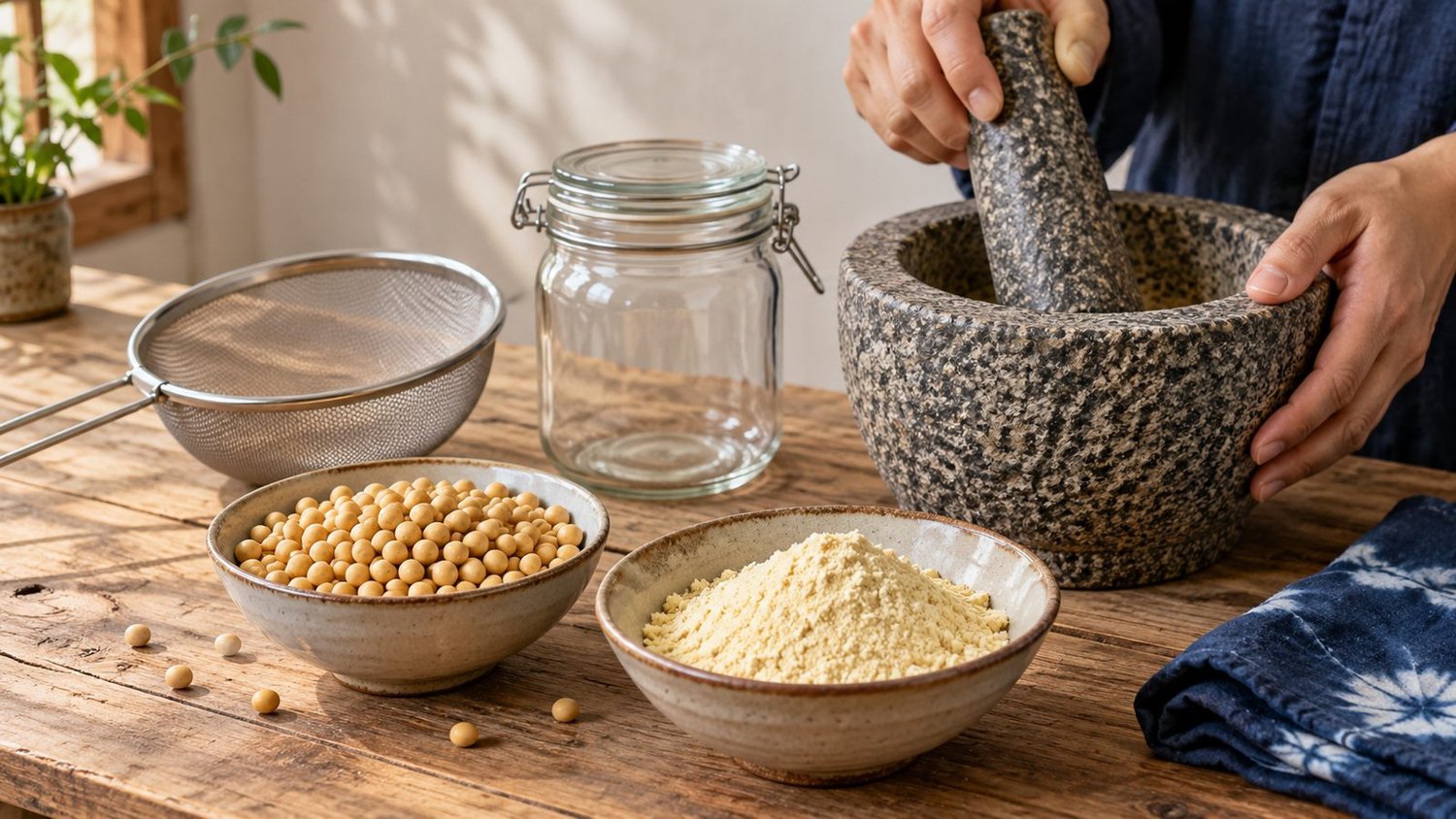
If you cannot find plain soybean flour locally, you can make a small batch at home from dried yellow soybeans. For indigo resist paste, the goal is a fine, dry flour with minimal coarse particles. A smooth flour helps you prepare paste that spreads ...
Read More
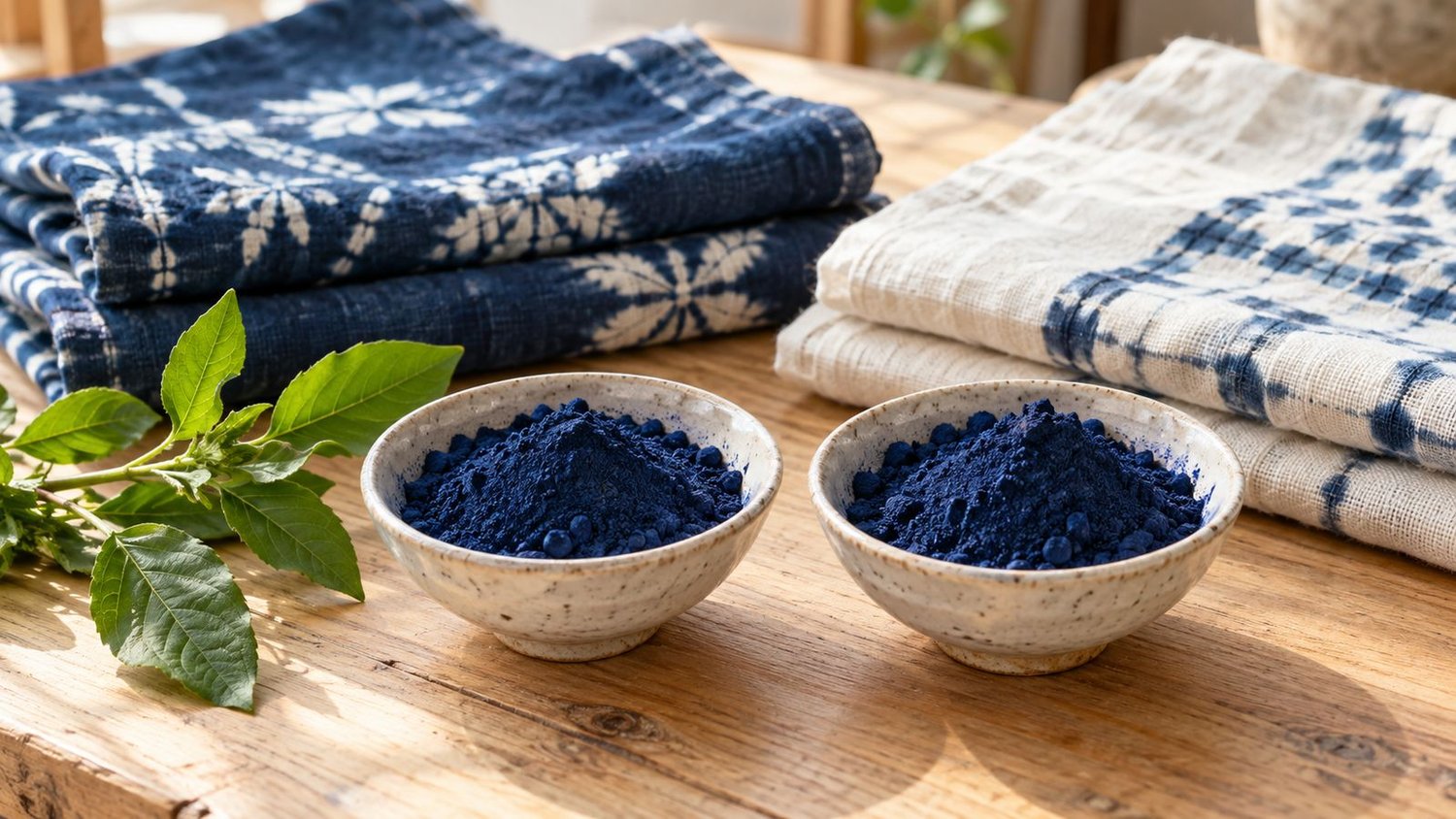
If you are preparing to try indigo dyeing at home, choosing the dye can be surprisingly confusing. Some products are labeled “natural indigo.” Others say “synthetic indigo,” “pre-reduced indigo,” or simply “indigo blue.” Do they work in the same way...
Read More
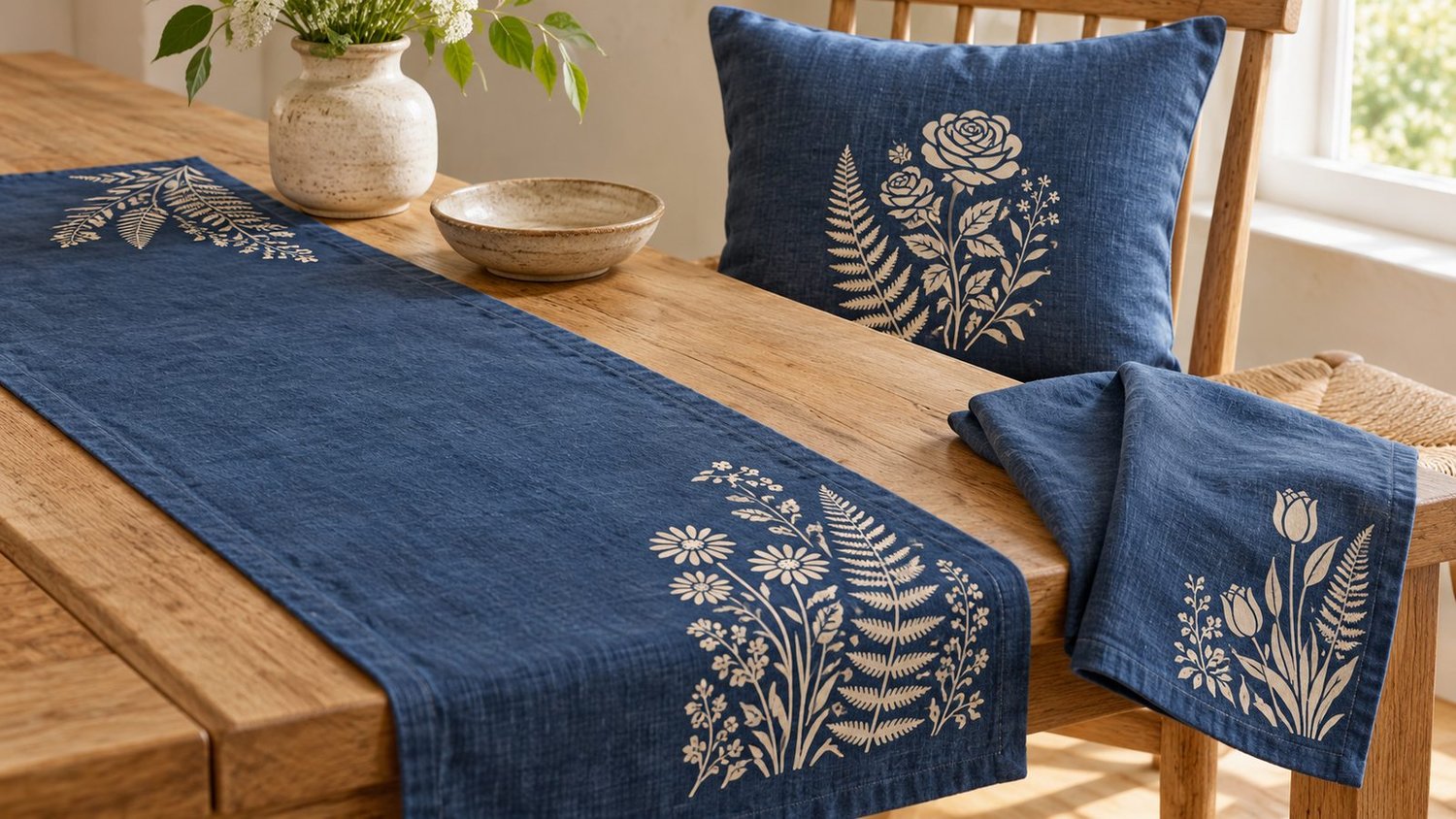
A beginner-friendly guide to creating thoughtful botanical compositions on handmade indigo textiles. A beautiful botanical stencil is only the beginning. Where you place it can completely change the look of your finished textile. A small tulip in on...
Read More
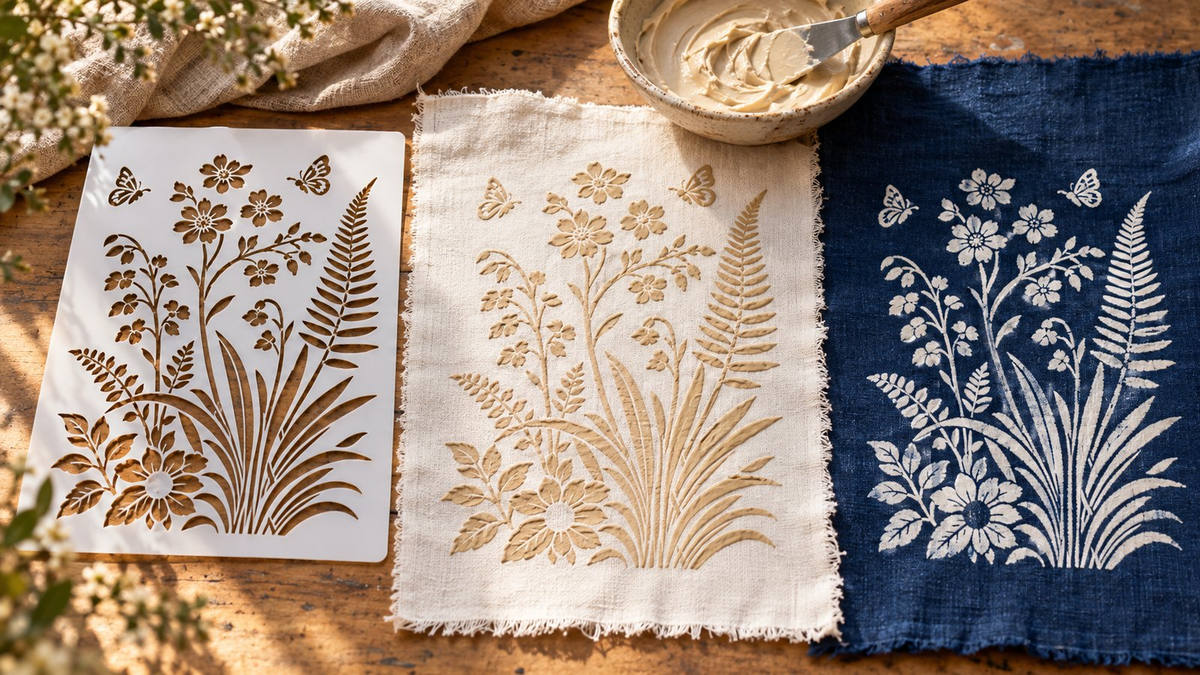
You love the look of white flowers against deep indigo blue. But where do you begin if you have never drawn a botanical pattern on fabric? For paste resist indigo dyeing, you have two ways to apply a design: paint the resist paste by hand or apply i...
Read More
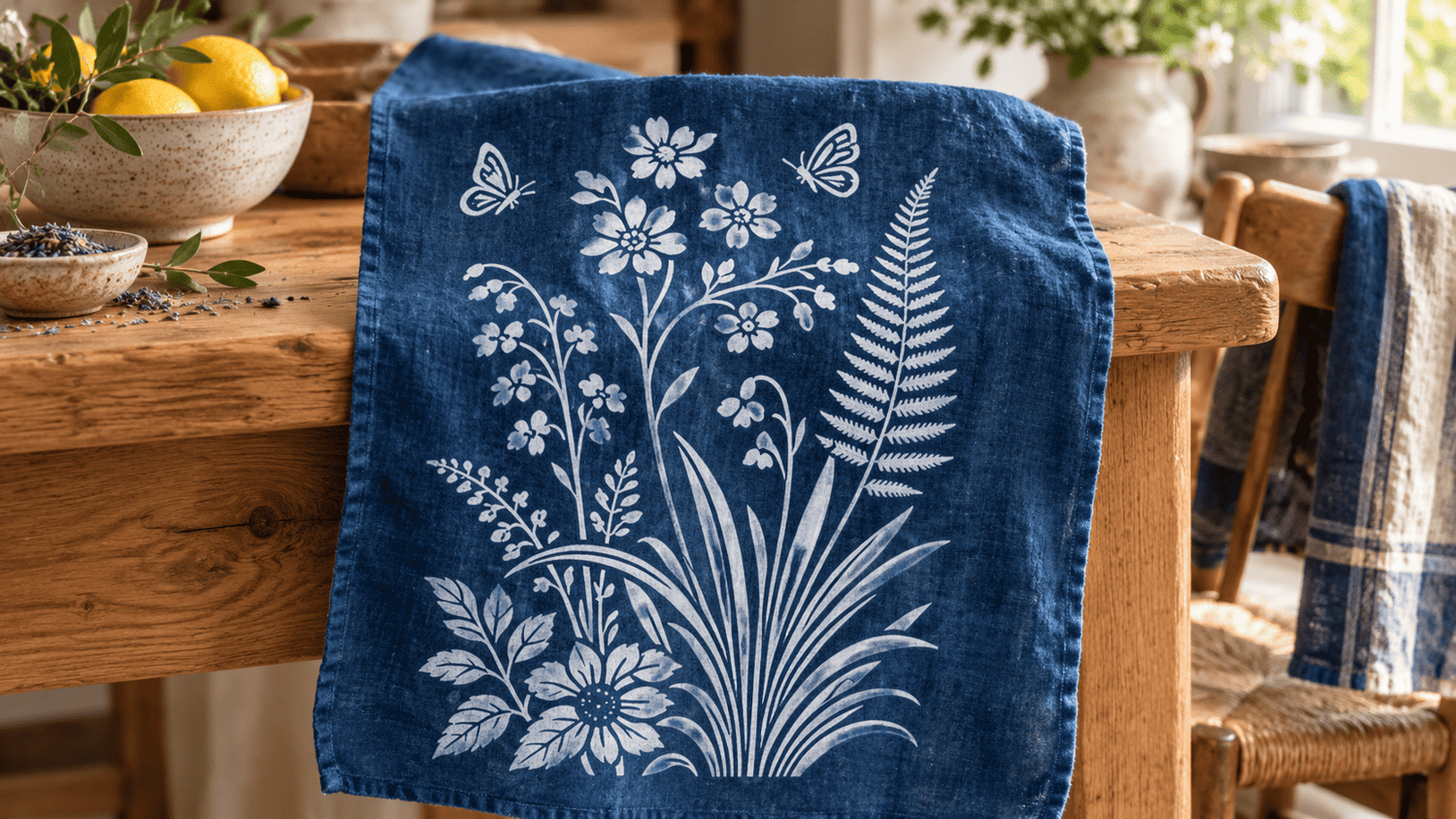
A plain piece of fabric can become something personal: a table runner for everyday meals, a cushion cover, or a cloth to hang on the wall. Botanical stencils help you place a floral design on the fabric before dyeing it with indigo. When you wash aw...
Read More
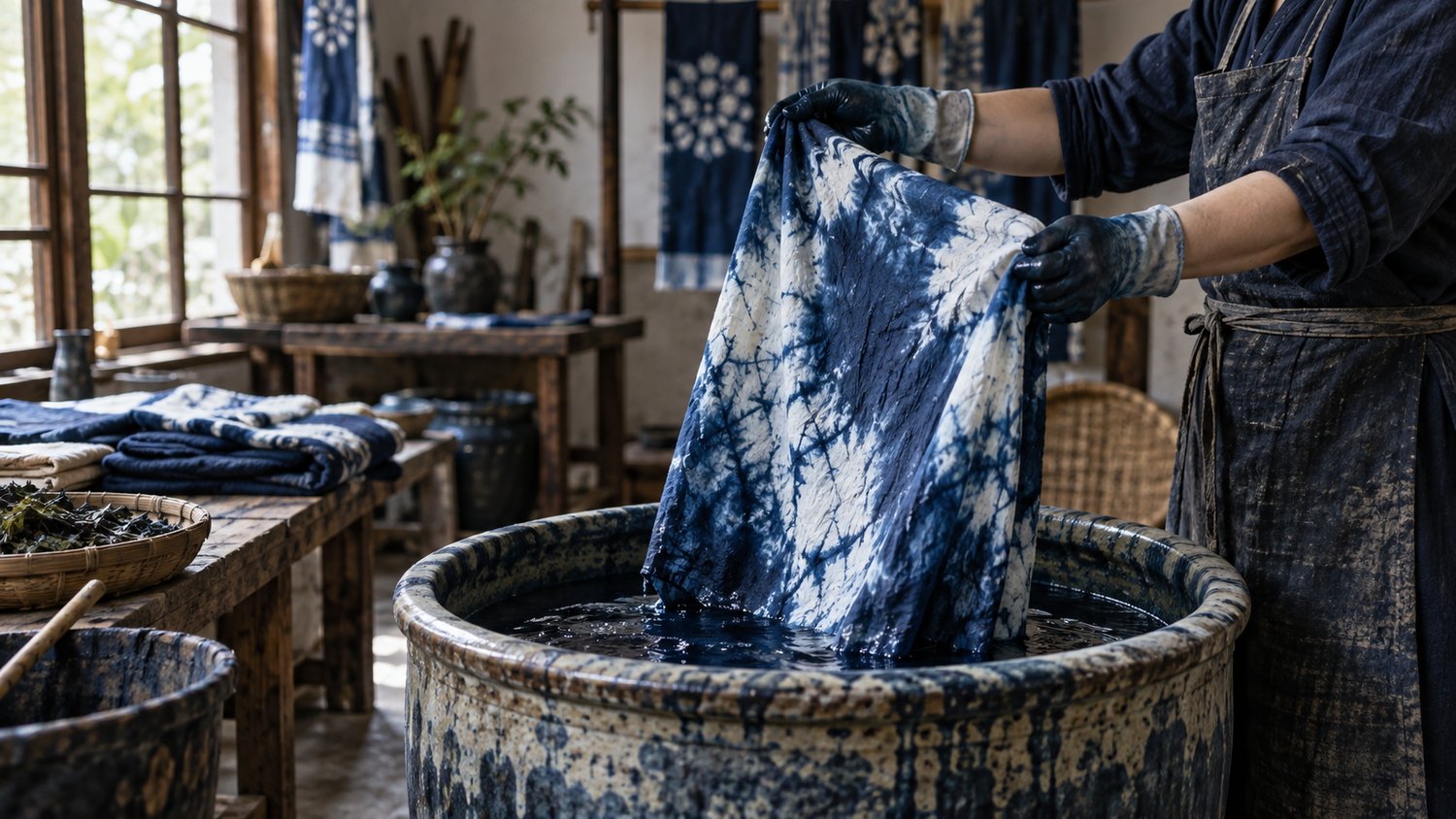
Does Indigo Dye Need a Mordant? A Beginner’s Guide to Better, Longer-Lasting Blue If you have worked with natural dyes before, you may have learned one important rule: mordant the fabric first. Alum, tannin, and iron are commonly used to help many ...
Read More
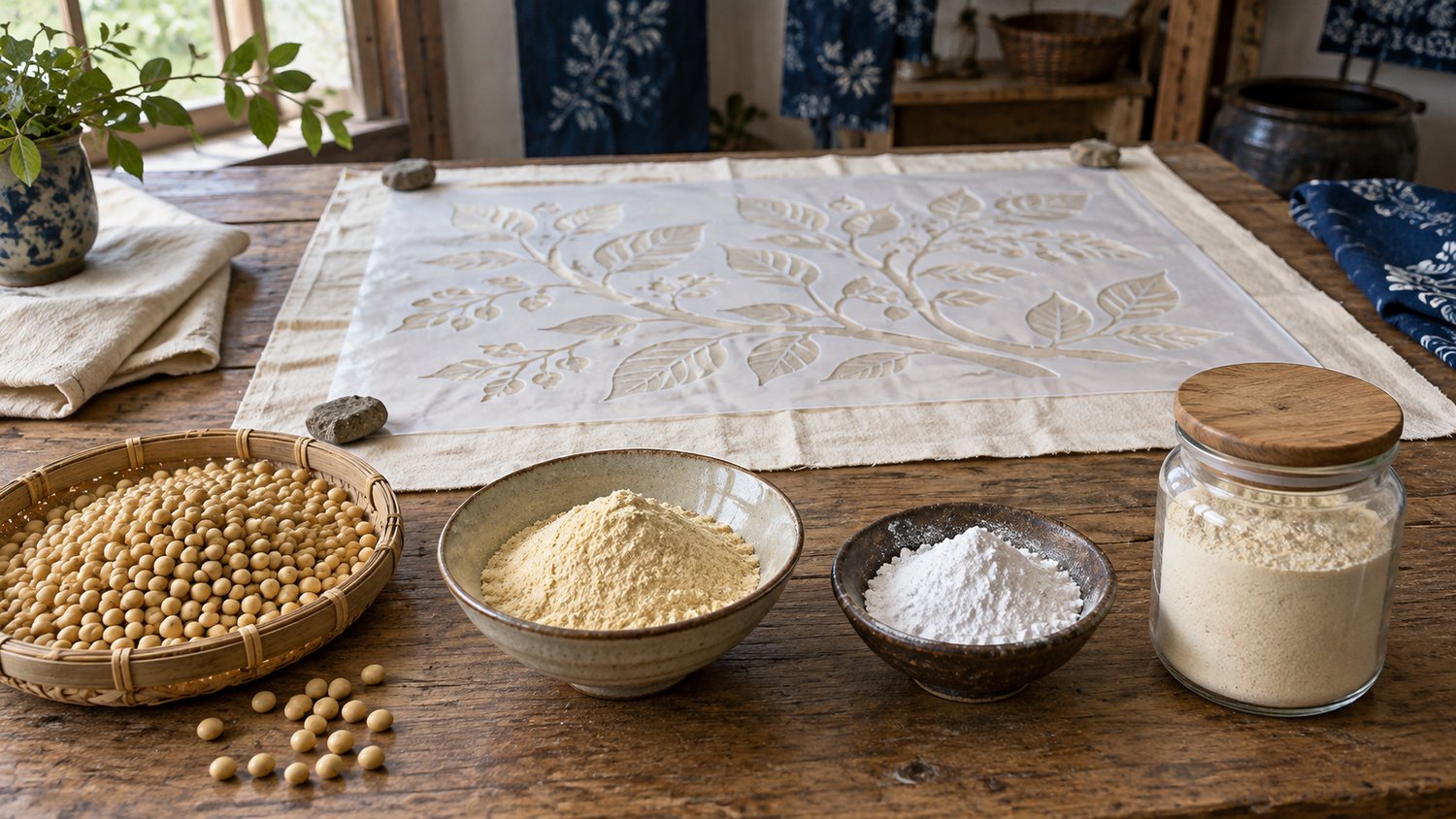
Resist paste is used to protect selected areas of fabric before indigo dyeing. After the paste has dried, the fabric is dyed in an indigo vat. The paste prevents the dye from reaching the covered areas, creating a blue-and-white pattern after washi...
Read More
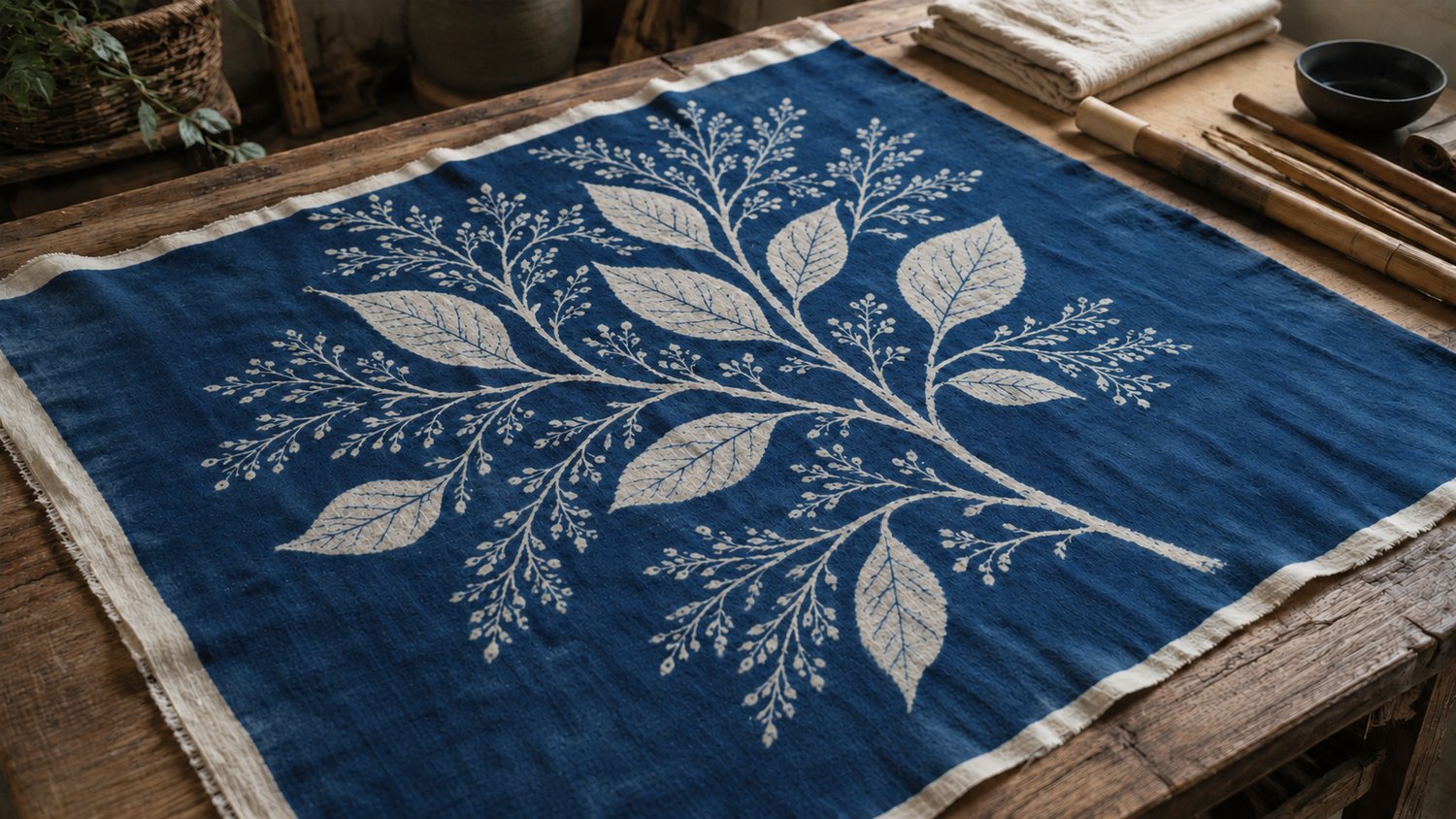
Indigo resist paste dyeing is a traditional textile technique used to create clear white patterns on blue fabric. Before dyeing, resist paste is applied to the fabric through a stencil. Once the paste has dried, it protects selected areas from the i...
Read More
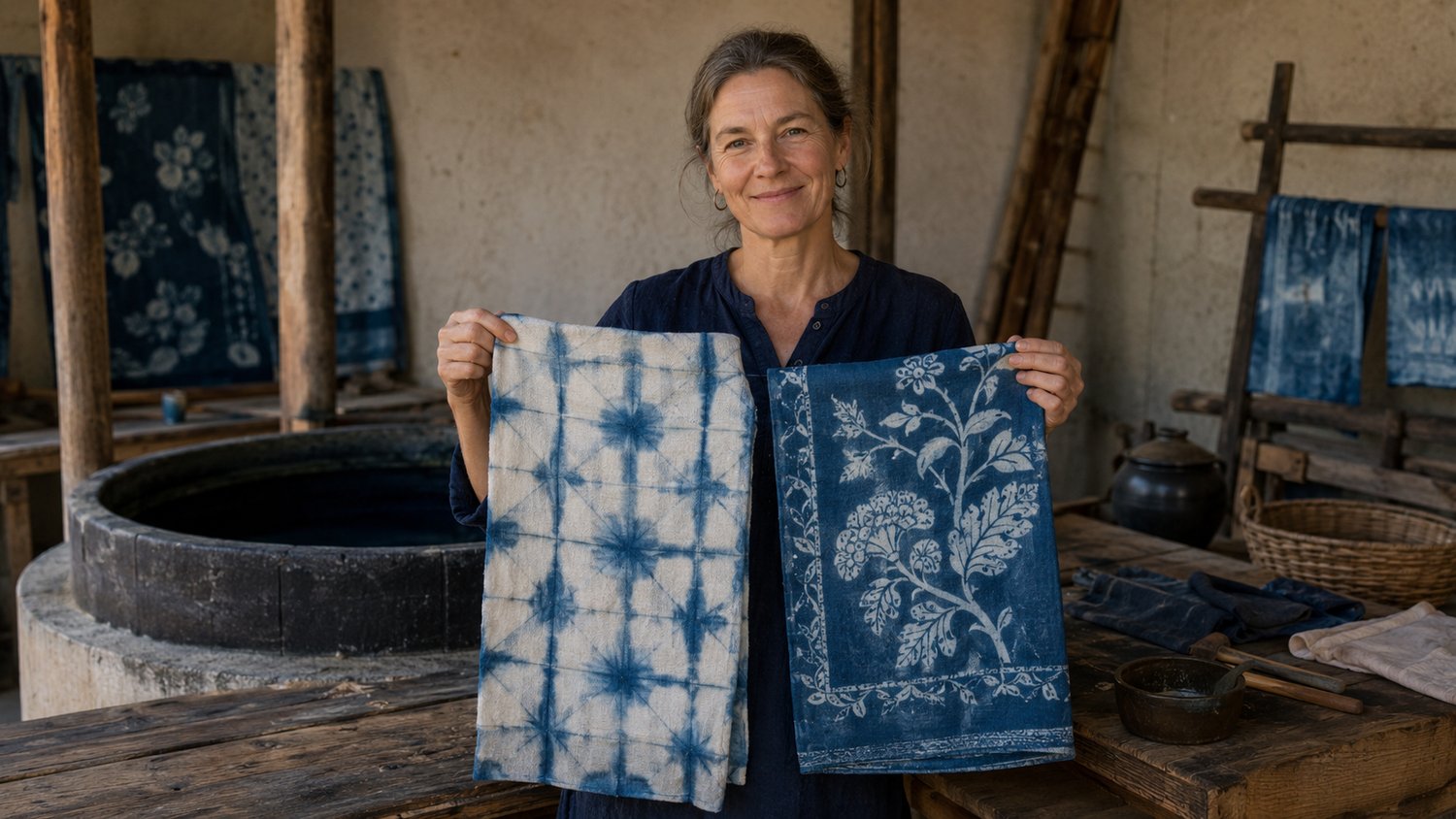
Tie-dye and resist paste dyeing can both turn plain cotton into striking blue-and-white cloth. They share the same basic idea: protect selected parts of the fabric so indigo cannot color them. Yet the way they create that protection—and the patterns...
Read More
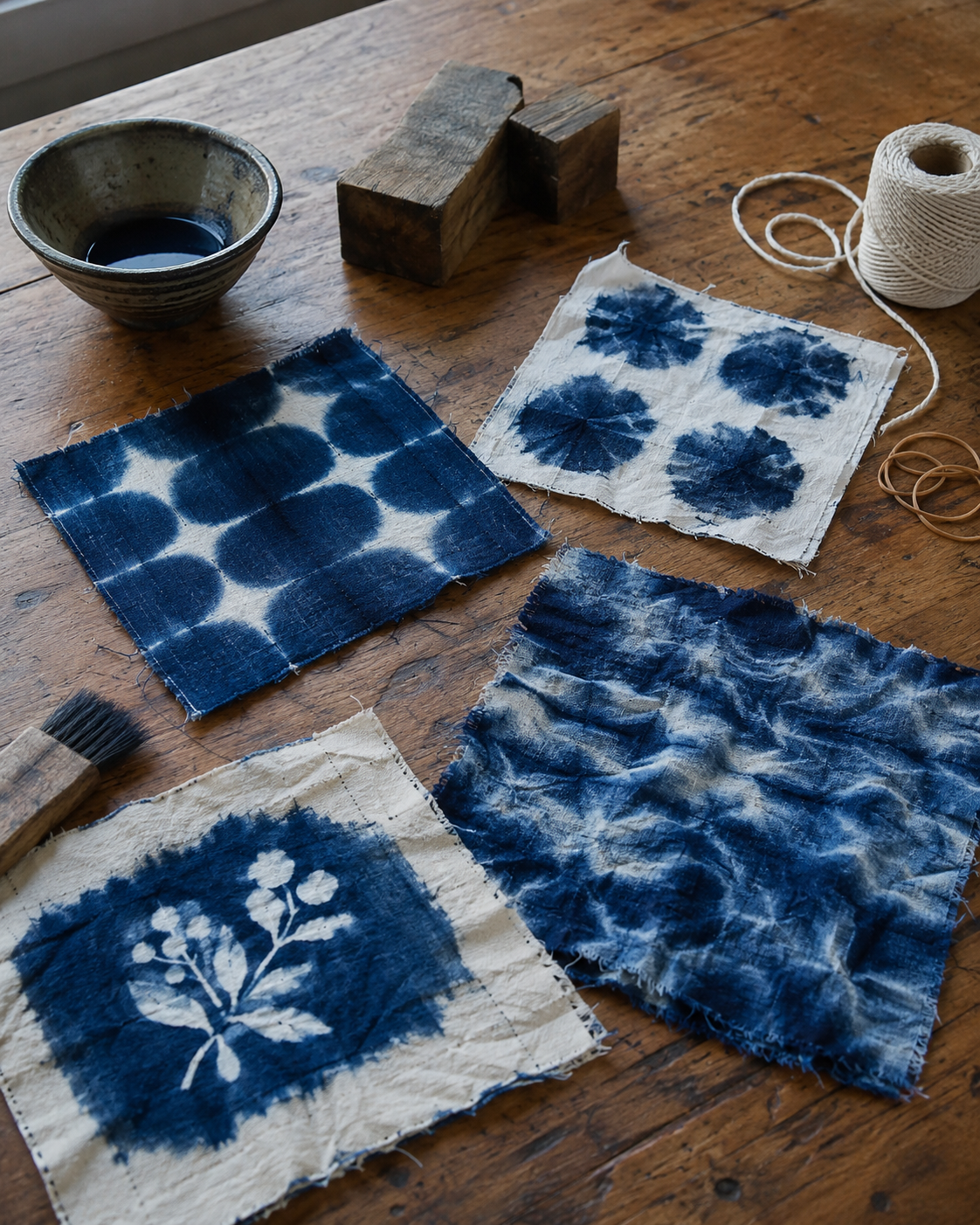
Indigo tie-dye is full of small surprises. Dip the same white cloth into a traditional indigo vat, and the result can mirror flowers, rain, waves, or a burst of stars—all determined by how the fabric was bound. The principle of resist dyeing is simp...
Read More
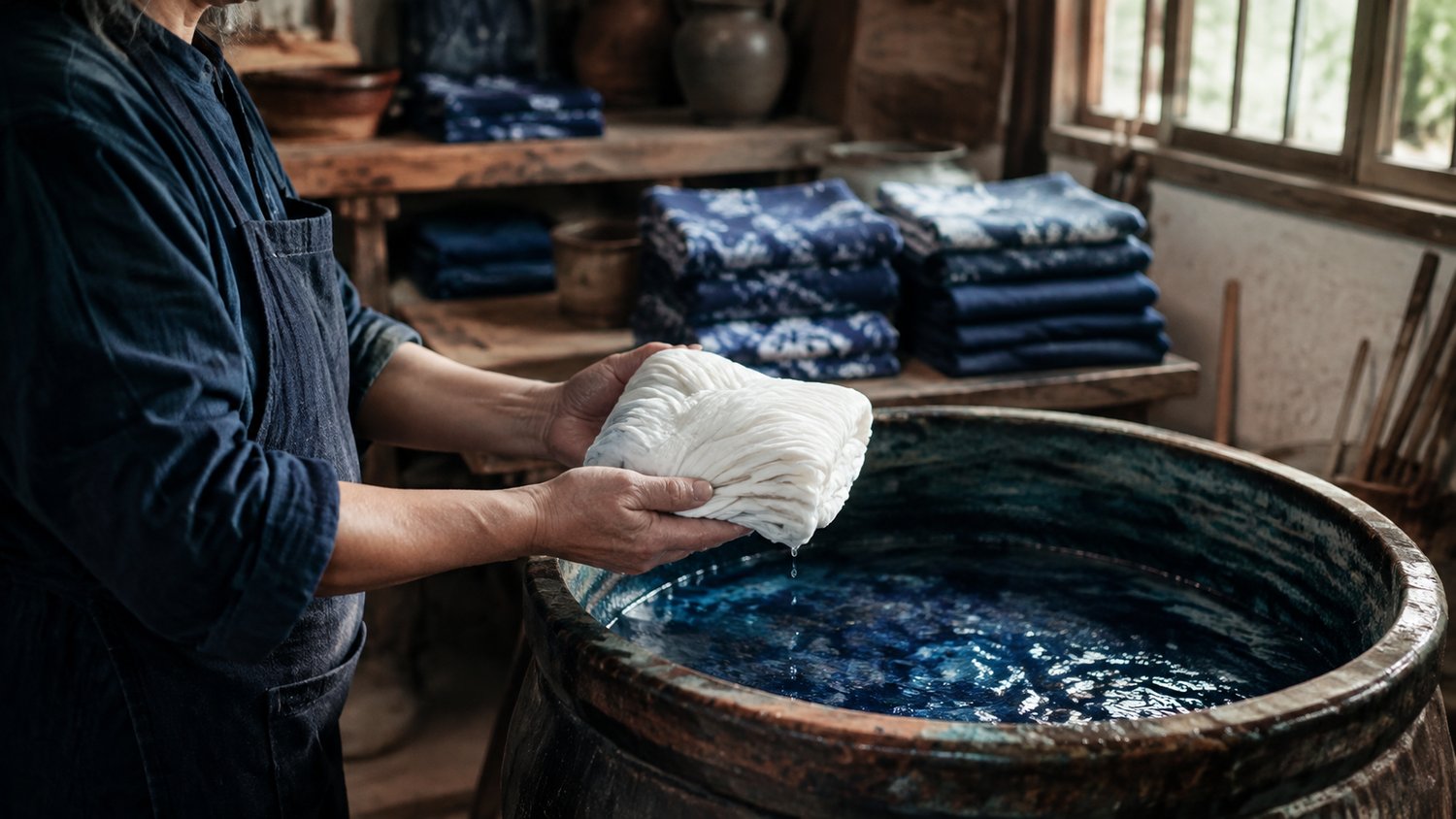
Should you wet fabric before indigo dyeing? In most beginner natural indigo projects, yes. Clean fabric should usually be fully wetted before it enters the indigo vat. Wetting helps remove trapped air, encourages the reduced indigo solution to reach...
Read More
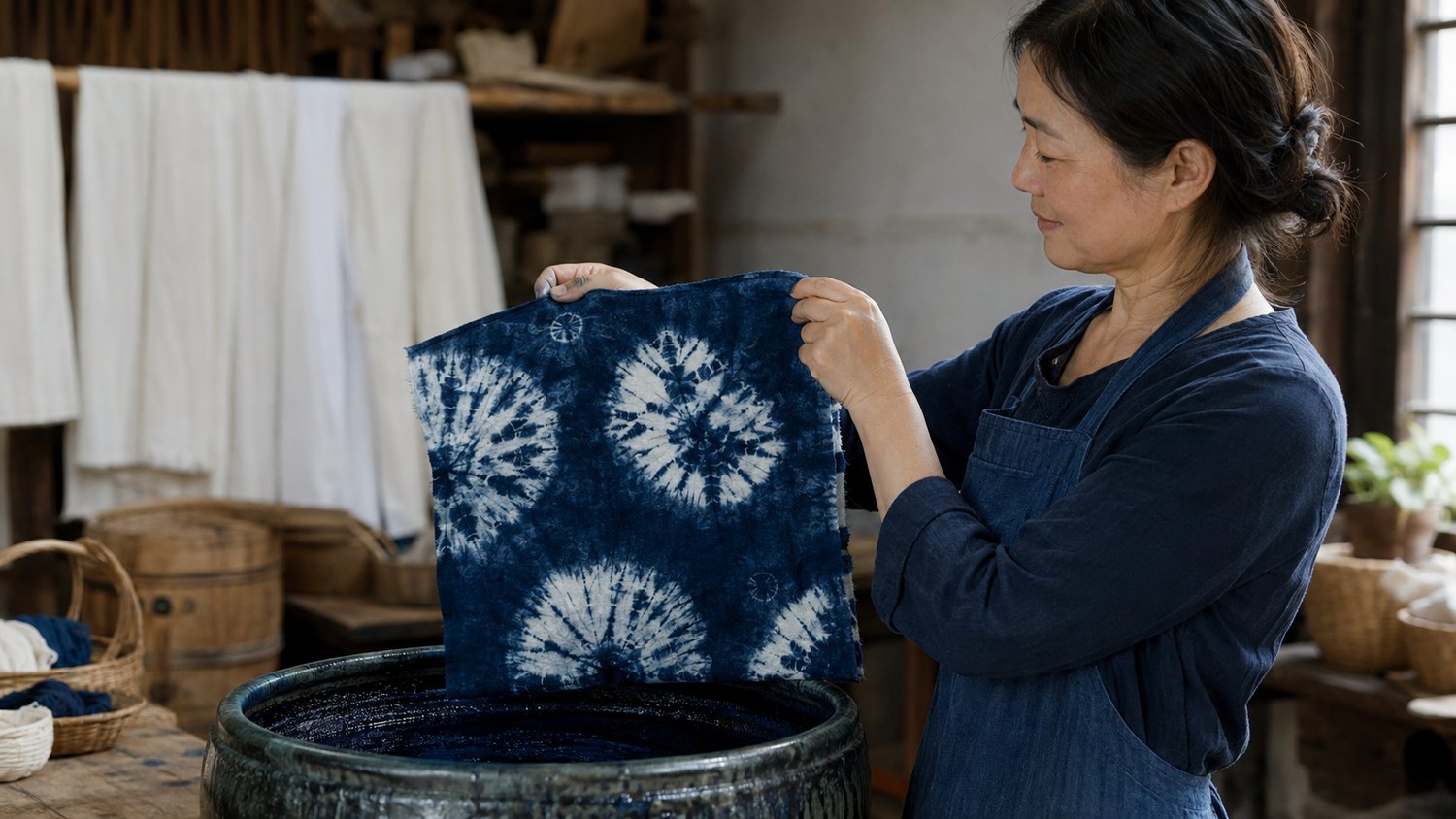
If you have used other natural dyes, you may have learned to soak fabric in alum or another mordant before adding color. That advice is useful for many plant dyes—but natural indigo follows a different process. So, do you need a mordant for indigo d...
Read More